
Piles are a common health problem that affects many people around the world. They can cause pain, itching, swelling, and bleeding near the anus. Many people feel shy to talk about piles, but learning about this condition is important for proper care and treatment.
In this article, you will learn what is piles, its causes, symptoms, types, treatment options, prevention tips, and information about Ayurvedic support for piles.
What Is Piles?
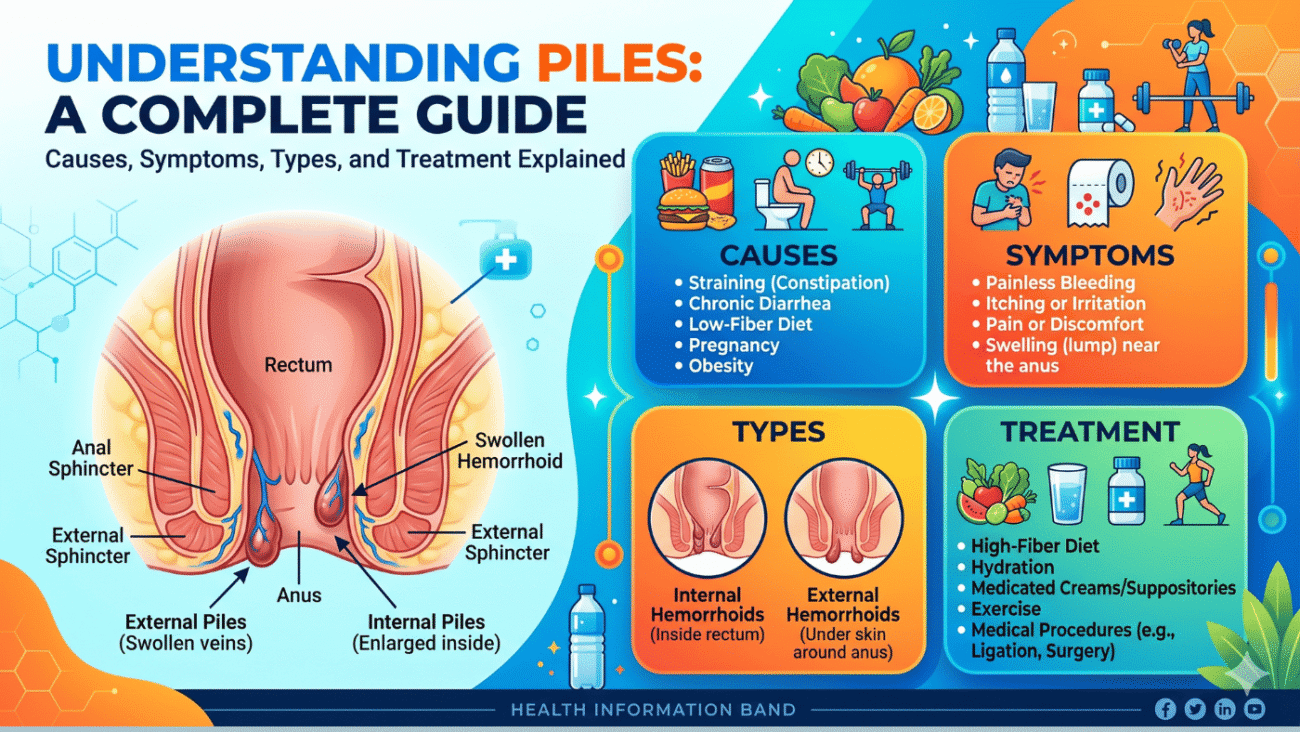
Piles, also called hemorrhoids, are swollen veins in the lower rectum or around the anus. These veins become enlarged due to pressure and can cause discomfort during sitting or passing stool.
Piles can happen to men and women of all ages, but they are more common in adults. In many cases, piles are not dangerous, but they can become painful if not treated properly.
Types of Piles
There are mainly two types of piles:
1. Internal Piles
Internal piles develop inside the rectum. They are usually not visible from outside. These piles may cause painless bleeding during bowel movements.
Symptoms of Internal Piles:
- Bright red blood after passing stool
- Mild discomfort
- Feeling of incomplete bowel movement
2. External Piles
External piles develop around the outer part of the anus. They can be painful and itchy.
Symptoms of External Piles:
- Pain while sitting
- Swelling near the anus
- Itching and irritation
- Bleeding in some cases

Dehlvi Pyleena Capsules (60caps)
Medicine for bleeding haemorrhoids, fissures, internal & external piles
Causes of Piles
Many factors can increase pressure on the veins in the rectal area. Below are the common causes of piles:
1. Constipation
Hard stool and straining during bowel movements can increase pressure on veins.
2. Low-Fiber Diet
Eating less fruits, vegetables, and whole grains may lead to constipation.
3. Sitting for Long Hours
Long sitting, especially on the toilet, may increase the risk of piles.
4. Pregnancy
Pregnant women may develop piles because of extra pressure on pelvic veins.
5. Obesity
Being overweight can put pressure on the rectal veins.
6. Lack of Physical Activity
Not exercising regularly may affect digestion and bowel movement.
7. Heavy Lifting
Regular heavy lifting can increase abdominal pressure.
Symptoms of Piles
Symptoms may differ from person to person depending on the type and severity of piles.
Common Symptoms Include:
- Pain during bowel movement
- Bleeding from the anus
- Itching around the anus
- Swelling or lump near the anus
- Burning sensation
- Discomfort while sitting
If symptoms continue for many days, medical advice is important.
How Is Piles Diagnosed?
Doctors usually diagnose piles through physical examination and medical history.
Some tests may include:
- Visual examination
- Digital rectal exam
- Proctoscopy or sigmoidoscopy in some cases
These tests help identify the type and severity of piles.
How To Cure Piles
Many people ask how to cure piles naturally and medically. Treatment depends on the stage and symptoms of piles.
1. Increase Fiber Intake
Fiber helps soften stool and reduces constipation.
Fiber-rich foods:
- Oats
- Fruits
- Vegetables
- Brown rice
- Flax seeds
2. Drink More Water
Water helps improve digestion and bowel movement.
Try to drink 8–10 glasses of water daily unless advised otherwise by a doctor.
3. Exercise Regularly
Walking and light exercise improve digestion and blood circulation.
4. Avoid Straining
Do not force during bowel movement because it increases pressure on veins.
5. Warm Sitz Bath
Sitting in warm water for 10–15 minutes may reduce pain and irritation.
6. Medicines
Doctors may suggest creams, ointments, or medicines for temporary relief.
In severe cases, procedures or surgery may be needed.
Medical Treatments for Piles
If home remedies do not help, doctors may recommend medical treatment.
1. Rubber Band Ligation
A small rubber band is placed around the pile to stop blood flow.
2. Injection Therapy
Medicine is injected to shrink the piles.
3. Laser Treatment
Laser is used to remove or shrink piles.
4. Surgery
Large or severe piles may need surgical removal.
Always consult a qualified doctor before starting any treatment.
What Is the Best Ayurvedic Medicine for Piles?
Many people search for what is the best ayurvedic medicine for piles because Ayurveda focuses on natural support and digestive balance.
Ayurveda may help manage piles symptoms with herbs, diet changes, and healthy lifestyle habits. Some commonly used Ayurvedic herbs include:
- Triphala
- Haritaki
- Neem
- Aloe vera
- Nagkesar
Ayurvedic practitioners may also suggest:
- High-fiber diet
- Warm water intake
- Regular bowel habits
- Avoiding spicy and oily food
Different people may need different treatments based on their body type and condition. It is important to consult a qualified Ayurvedic doctor before using any herbal medicine.
Foods To Eat in Piles
Healthy eating habits play an important role in piles management.
Best Foods:
- Fruits like banana, papaya, apple
- Green vegetables
- Whole grains
- Oats
- Chia seeds
- Flax seeds
- Yogurt
These foods help improve digestion and reduce constipation.
Foods To Avoid in Piles
Some foods may worsen piles symptoms.
Avoid:
- Very spicy foods
- Fried foods
- Junk food
- Alcohol
- Excess tea or coffee
- Processed foods
Eating balanced meals may support better bowel health.
Can Piles Be Prevented?
Yes, healthy habits may help reduce the risk of piles.
Prevention Tips:
- Eat fiber-rich foods
- Drink enough water
- Exercise daily
- Avoid sitting too long
- Do not delay bowel movement
- Maintain healthy body weight
Small lifestyle changes can make a big difference.
Complications of Untreated Piles
Ignoring piles symptoms for a long time may lead to complications such as:
- Severe pain
- Excessive bleeding
- Infection
- Blood clot formation
- Anemia due to blood loss
Early treatment is important for better recovery.
When To See a Doctor
Consult a doctor if you notice:
- Heavy bleeding
- Severe pain
- Lump near anus
- Symptoms lasting more than one week
- Difficulty passing stool
Bleeding from the rectum may also happen due to other medical conditions, so proper diagnosis is necessary.
Common Myths About Piles
Myth 1: Only Old People Get Piles
Fact: Piles can affect young adults too.
Myth 2: Piles Always Need Surgery
Fact: Many cases improve with diet and lifestyle changes.
Myth 3: Spicy Food Alone Causes Piles
Fact: Constipation and pressure are major causes.
Lifestyle Tips for Better Digestive Health
Good digestion may help lower the chances of piles.
Healthy Habits:
- Wake up early
- Eat meals on time
- Avoid overeating
- Sleep properly
- Stay physically active
Simple daily habits support overall health.
Conclusion
Understanding what is piles is important for early care and prevention. Piles are swollen veins in the rectal or anal area that can cause pain, bleeding, and discomfort. Common causes include constipation, poor diet, obesity, and sitting for long hours.
Many people ask how to cure piles, and the answer depends on the severity of the condition. Healthy eating, proper hydration, exercise, and medical guidance can help manage symptoms effectively.
People also search for what is the best ayurvedic medicine for piles because Ayurveda offers natural approaches through herbs, diet, and lifestyle changes. However, proper medical advice is important before using any treatment.
With the right care and healthy habits, many people can manage piles and improve their quality of life.
For more educational information about piles and digestive health, readers can also refer to trusted medical resources like the World Health Organization (WHO) https://www.who.int and Mayo Clinic https://www.mayoclinic.org. Learning about the causes, symptoms, and treatment options of piles can help people take early steps toward better health and prevention.
Greate Article – Highly recommened